
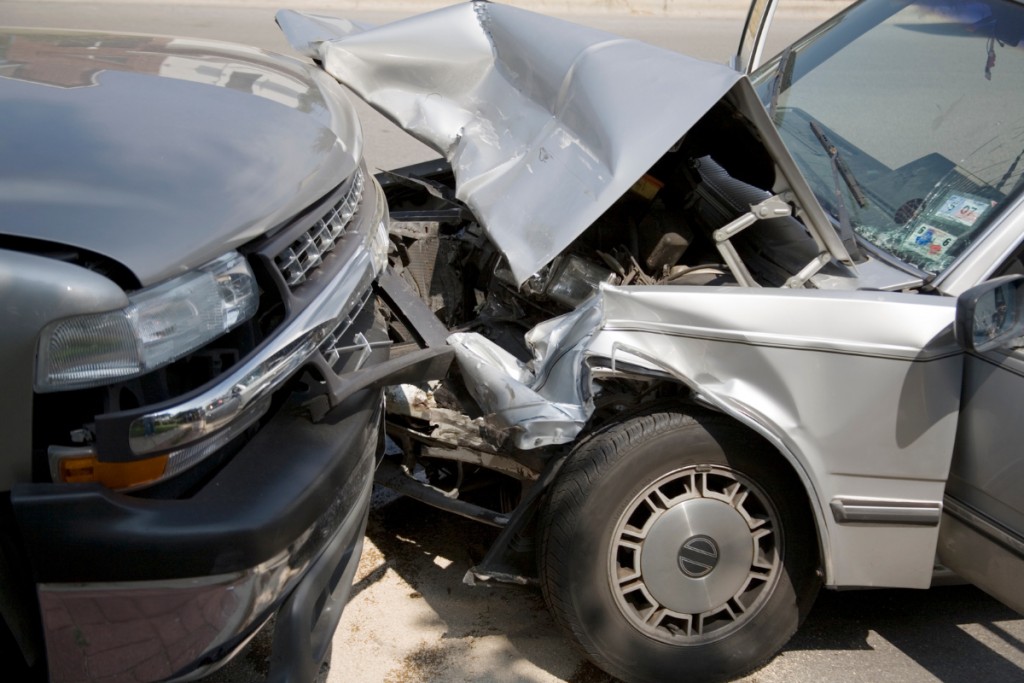
Rear-end collisions are among the most common types of car accidents, yet determining who pays for the damage is not always as simple as it seems. While many people assume the driver in the back is always at fault, real-world situations are often more complex. Understanding how liability works can help you protect your rights after a crash.
In many cases, skilled rear-end collision lawyers can help injured drivers and passengers understand who is financially responsible. Liability depends on state traffic laws, insurance rules, and the specific facts surrounding the crash. Legal guidance becomes especially important when injuries are serious or insurance companies dispute fault.
The General Rule: The Rear Driver Is Often at Fault
Most of the time, the driver who hits another vehicle from behind is considered responsible. This is because traffic laws require drivers to maintain a safe distance and be prepared to stop. If they fail to do so, they may be held liable for resulting damage and injuries.
However, even this general rule has exceptions. Investigators look closely at the behavior of both drivers. Evidence ultimately determines who should pay.
When the Front Driver May Share Responsibility
There are situations where the front driver may be partially or fully at fault. Examples include suddenly reversing, stopping without cause, or driving with non-functioning brake lights. In these cases, the rear driver may not have had a fair chance to react.
Comparative negligence laws may divide responsibility between both drivers. That means compensation can be reduced based on each party’s share of fault. An accurate assessment of events becomes critical.
Multi-Vehicle Rear-End Crashes
Chain-reaction crashes make liability even more complicated. If several cars collide in a line, investigators must determine which impact started the sequence. One reckless driver may ultimately be responsible for multiple vehicles’ damages.
Insurance companies often try to shift blame in these cases. Detailed evidence, such as photos and witness statements, helps clarify what really happened.
The Role of Insurance Coverage
In at-fault states, the responsible driver’s insurance typically pays for damages. This may include medical bills, lost wages, vehicle repairs, and other losses. But insurers sometimes dispute liability or minimize payouts to protect their profits.
If your damages exceed available coverage, you may need to explore additional legal options. Uninsured or underinsured motorist coverage can also play a major role.
Gathering Evidence to Prove Fault
Strong documentation can make or break a rear-end collision claim. Useful evidence includes police reports, traffic camera footage, photos of vehicle positions, and witness accounts. Medical records further help connect injuries to the crash.
The sooner this evidence is collected, the better. Memories fade and scenes change, making early action essential.
Common Causes of Rear-End Collisions
Driver distraction remains one of the leading causes of rear-end accidents. Speeding, tailgating, and impaired driving also significantly increase crash risk. Poor weather conditions and sudden traffic slowdowns can make matters worse.
Understanding cause helps clarify liability. It also highlights the importance of safe driving behaviors.
What to Do After a Rear-End Collision
Your first priority should always be safety and medical care. Report the accident, exchange information, and document the scene. Avoid admitting fault, even casually, as your words may later be used against you.
Then notify your insurance company promptly. If injuries or damages are significant, seeking legal advice can help you protect your rights.
Why Legal Help Can Make a Difference
Liability disputes are common after rear-end accidents, especially when injuries require long-term treatment. A knowledgeable attorney can investigate the crash, negotiate with insurers, and pursue fair compensation. This allows you to focus on recovery rather than paperwork and stress.
Legal support is especially valuable when multiple vehicles or contested facts are involved. Objective guidance can help you avoid costly mistakes.
Key Takeaways
- The rear driver is often—but not always—considered at fault in a rear-end collision.
- Front drivers may share responsibility in certain circumstances, such as sudden or unlawful stopping.
- Insurance companies may dispute liability or undervalue claims, making documentation essential.
- Chain-reaction crashes require careful investigation to determine the responsible party.
- Skilled legal guidance can help protect your rights and maximize compensation after a rear-end collision.
