
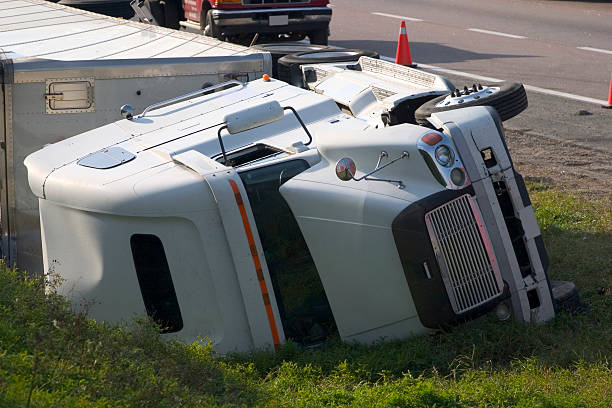
Tupelo is a vibrant Mississippi city known for its strong community roots, busy roadways, and role as a regional hub for commerce and transportation. With major highways and frequent commercial traffic passing through the area, large trucks are a common sight on local roads.
Unfortunately, this also means that serious truck accidents can and do occur, often with devastating consequences for those involved. When these collisions happen, Tupelo truck accident attorneys are frequently called upon because truck accident cases are far more complex than typical car accident claims.
While car accidents and truck accidents may seem similar at first glance, the legal, financial, and investigative aspects of truck accident cases set them apart in significant ways. Understanding these differences is essential for anyone seeking fair compensation after a serious crash.
The Size and Severity Factor
One of the most obvious differences between truck and car accidents is the sheer size and weight of commercial trucks. Tractor-trailers and other large commercial vehicles can weigh up to 80,000 pounds when fully loaded, compared to the average passenger vehicle, which weighs only a few thousand pounds. Because of this size disparity, truck accidents often result in catastrophic injuries or fatalities.
The severity of injuries increases the stakes of a claim, leading to higher medical costs, longer recovery times, and greater financial losses. As a result, truck accident cases typically involve much larger compensation demands than standard car accident claims.
More Parties May Be Liable
In a typical car accident, liability usually rests with one or more drivers. Truck accident cases, however, often involve multiple potentially responsible parties. These may include the truck driver, the trucking company, the vehicle owner, cargo loaders, maintenance providers, or even manufacturers of defective truck parts.
Determining who is at fault requires a detailed investigation into employment relationships, contracts, and safety responsibilities. This added complexity makes truck accident cases far more challenging than standard car accident claims.
Federal and State Regulations Play a Major Role
Truck drivers and trucking companies must comply with strict federal and state safety regulations. These rules govern hours of service, vehicle maintenance, cargo loading, driver qualifications, and more. Violations of these regulations can be a key factor in establishing negligence.
Car accident cases rarely involve this level of regulatory oversight. In truck accident cases, understanding and applying these laws is critical to building a strong claim.
Evidence Is More Technical and Time Sensitive
Truck accident cases often rely on specialized evidence that is not present in car accidents. This can include electronic logging devices, driver logs, black box data, maintenance records, and company safety policies. Much of this evidence may be controlled by trucking companies and can be lost or destroyed if not preserved quickly.
Prompt action is essential to secure this information and prevent it from being altered or erased. This makes early investigation far more important in truck accident cases than in typical car crashes.
Insurance Coverage Is More Complex
Commercial trucks are usually covered by large insurance policies, often involving multiple insurers. While higher coverage limits may seem beneficial, they also lead to more aggressive defense strategies. Insurance companies representing trucking businesses are well-funded and highly experienced in minimizing payouts.
Car accident claims typically involve simpler insurance issues, whereas truck accident cases often require navigating layered policies and corporate defense teams.
The Legal Process Is More Aggressive
Because truck accident claims often involve serious injuries and substantial financial exposure, trucking companies and their insurers tend to fight these cases aggressively. They may deploy investigators and legal teams immediately after a crash to protect their interests.
This level of opposition is far more intense than what is usually seen in car accident cases, making thorough preparation and a strong legal strategy essential.
Key Takeaways
- Truck accidents often cause more severe injuries due to the size and weight of commercial vehicles.
- Multiple parties may be responsible in a truck accident case, not just the driver.
- Federal and state trucking regulations play a major role in determining fault.
- Truck accident evidence is more technical and must be preserved quickly.
- Commercial insurance policies add complexity and aggressive defense tactics.
- Truck accident cases require a deeper investigation than standard car accidents.
