
A gas boiler is the quiet workhorse of a home. It heats radiators, supplies hot water and usually runs for years with little attention. Junkers, a long-established heating brand within the Bosch group, has supplied wall-hung gas boilers, condensing units such as the Cerapur range, and room controllers to households across Europe. Like any heating appliance, a Junkers boiler performs best when its owner understands how it is meant to be used and looked after.
That understanding starts with the manuals. This guide explains what Junkers documentation typically covers, which parts are written for the homeowner and which are reserved for engineers, and how to use the information to keep your heating efficient, comfortable and safe through every season. It is written for homeowners rather than engineers, so the emphasis is on everyday use, sensible settings and knowing when to pick up the phone.
Two Kinds of Documentation: User and Installer
Most Junkers boilers come with at least two separate documents. The user or operating instructions are written for the householder and explain the controls, the display, everyday settings and simple checks. The installation and servicing instructions are written for qualified gas engineers and cover flue arrangements, gas connections, commissioning, combustion checks and internal component replacement. Some models also include a short quick-start card covering the most common everyday controls.
Knowing the difference matters. The user guide is the one you should read carefully and keep within reach. The installer guide is useful for reference, for example to confirm a model name or to understand what your engineer will check during a service, but its procedures are not intended for homeowners. Treating it as a repair manual would be both unsafe and, in many countries, against the law governing gas work.
Safety First: Never Open a Gas Appliance
This point deserves to be stated plainly. A gas boiler should never be opened, dismantled or adjusted internally by anyone who is not a registered or certified gas professional. Behind the front casing are the gas valve, burner, combustion chamber and flue connections, and incorrect handling can lead to gas leaks, carbon monoxide escaping into the home, fire or electric shock. The casing is sealed for a reason.
Junkers manuals reflect this clearly. The user documentation explains what to do if you smell gas: avoid creating sparks, do not operate electrical switches, open windows, shut off the gas supply at the meter if it is safe to do so, leave the property and contact your gas emergency service. Reading that section once and sharing it with everyone in the household is one of the most valuable things any owner can do.
Understanding Your Boiler’s Controls
Junkers boilers vary in their control layouts depending on age and model. Older units often use rotary knobs for heating and hot water temperature, while newer Cerapur models typically have a digital display with buttons for adjusting settings and showing operating status. The user manual explains what each symbol means, how to switch between summer and winter modes, and how to set comfortable flow temperatures.
Many owners never adjust anything beyond the default settings, yet small changes can affect comfort and running costs. Condensing boilers generally operate most efficiently with lower return temperatures, and the manual often explains how temperature settings influence this. Having digital copies on manualmachine.com lets you look up these explanations on a phone while standing in front of the boiler, rather than hunting for a booklet that may have been lost during a move.
Room Controllers and Programmers
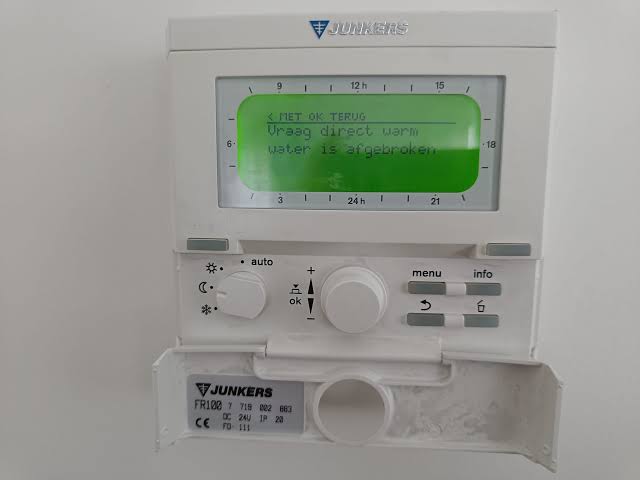
Junkers has offered a variety of room thermostats, programmable controllers and weather-compensating controls designed to work with their boilers. These devices let you set heating schedules, choose different temperatures for day and night, and in some cases adjust boiler output according to outdoor conditions. Each controller has its own manual explaining the menu structure, how to set the clock, and how to create a weekly programme.
Controllers are often where owners feel most confused, because menus can be layered and abbreviations are not always obvious. The manual normally includes a menu map and step-by-step instructions for common tasks such as setting a holiday mode or temporarily overriding the programme. If your controller was installed by a previous owner, finding its manual is often the fastest way to make it work the way you actually live.
Pressure, Fault Indicators and When to Call an Engineer
Sealed heating systems operate within a pressure range shown on a gauge or display, and the user manual describes the normal range for your model. Some manuals explain how a householder can top up pressure using an external filling loop, if the installation has one and the manufacturer permits it. Follow the instructions exactly, and if the pressure keeps falling, that suggests a leak that needs professional attention.
When a boiler displays a fault indication, the user manual may list which conditions an owner can safely address, such as resetting after a temporary interruption, and which require a qualified engineer. Avoid repeated resets if a fault keeps returning. Make a note of what the display shows and when it happened, then pass that information to your engineer, who can diagnose the cause properly and safely.
Annual Servicing and Keeping Records
Manufacturers generally recommend that gas boilers are serviced annually by a qualified engineer. A service typically includes checking combustion, inspecting seals and flue integrity, cleaning where required and confirming safety devices operate correctly. Regular servicing helps maintain efficiency, can extend the life of the appliance and is often a condition of any manufacturer warranty that applies. Booking the visit before winter avoids the busiest period for engineers.
Keep service records alongside your manuals so that each engineer can see what was done previously. If you need documentation for an older model or a controller you have just inherited with a property, browse the Junkers boiler manuals section to locate user and installation guides by model. A carbon monoxide alarm installed near the boiler is also a sensible, inexpensive addition that complements professional servicing well.
Final Thoughts for Junkers Owners
A Junkers boiler can provide dependable warmth for many years, but the owner plays an important role in that reliability. Reading the user manual helps you set the controls sensibly, recognise normal operation, respond correctly to warnings and know when to call for help. It turns an unfamiliar box on the wall into equipment you understand and can manage with confidence.
Equally important is knowing where your responsibility ends. Anything involving the internal parts of the boiler, the gas supply or the flue belongs to a qualified gas engineer. Use the manuals to stay informed, keep your system serviced, and always put safety first. That combination is the surest way to enjoy comfortable heating and hot water without unpleasant surprises. It also gives you peace of mind every winter.
