
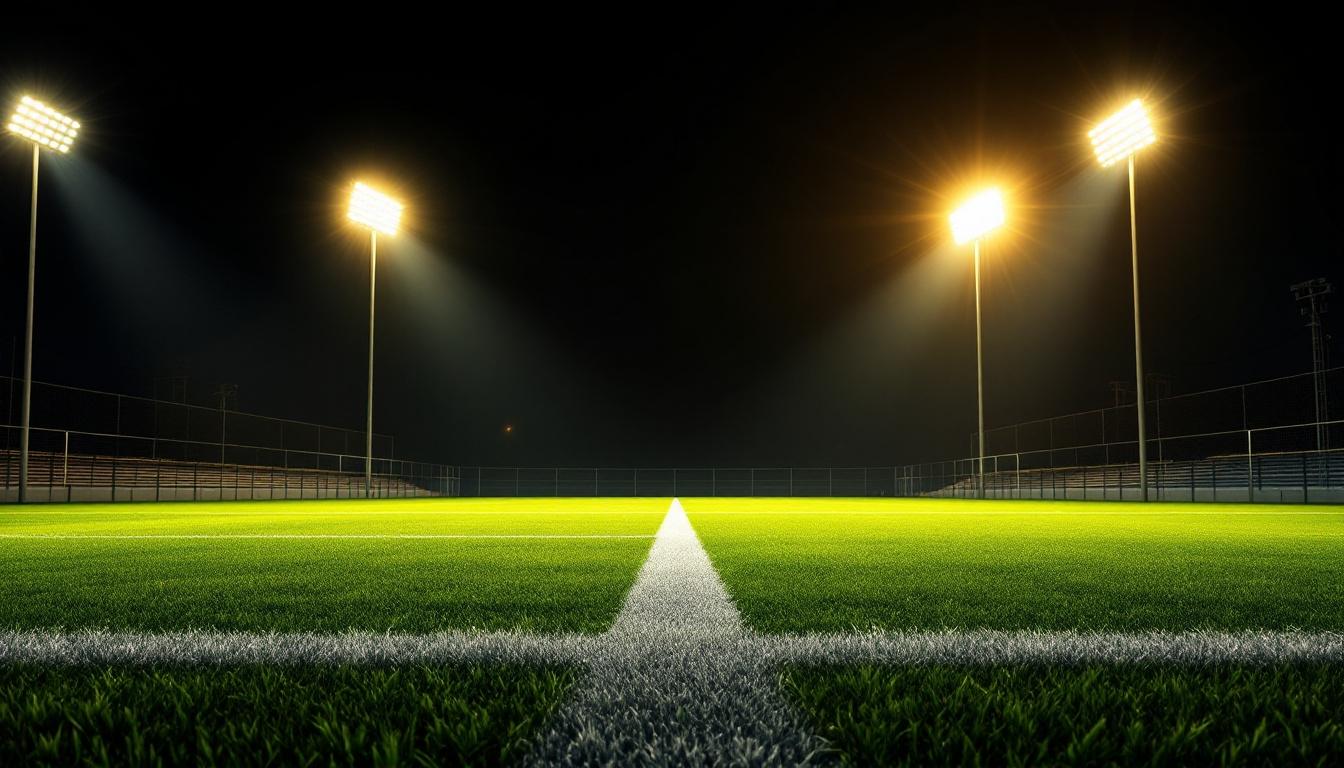
Stadium lighting plays a much greater role in sporting events than simply making the playing field visible after sunset. The quality, placement, and intensity of lighting influence how athletes perform, how spectators experience the game, and how clearly cameras capture important moments. Whether it is a football stadium, baseball field, soccer ground, or multipurpose sports complex, an effective lighting design creates an environment where every movement can be followed comfortably.
Modern sports facilities are increasingly adopting advanced lighting technologies to improve visibility while controlling energy consumption and maintenance expenses. LED Stadium Lights have become a popular choice because they offer precise light distribution, adjustable brightness, and consistent illumination across large playing surfaces. However, achieving excellent results requires careful planning that considers field dimensions, spectator seating, glare control, and the specific requirements of different sports.
Creating Uniform Illumination Across the Playing Field
One of the most important goals of stadium lighting design is achieving consistent brightness throughout the playing area. Uneven lighting can create distracting shadows, dark corners, and excessively bright sections that interfere with player concentration and spectator visibility.
Uniform illumination helps athletes judge distances, track moving objects, and react quickly during competitive situations. For example, football players need to follow the ball as it travels through different sections of the field, while baseball players must accurately track fast moving balls against changing backgrounds.
Lighting designers evaluate field dimensions, mounting heights, fixture positions, and beam angles to develop an appropriate lighting layout. Computer simulations can help predict how light will spread across the surface before installation begins.
A well planned arrangement distributes illumination evenly without creating unnecessary brightness outside the playing area. This approach improves the overall viewing experience while making more efficient use of available lighting equipment.
Improving Spectator Visibility From Every Seating Area
Spectators experience sporting events from different distances, heights, and viewing angles. Someone sitting close to the field has a different perspective from a visitor watching from an upper seating section. Stadium lighting must accommodate these variations without compromising visual comfort.
Properly positioned fixtures allow spectators to follow the action without struggling to distinguish players, equipment, or field markings. Clear visibility becomes particularly important during fast paced games where the direction of play changes quickly.
Lighting should also help audiences recognize team uniforms and identify important movements across the playing surface. Balanced illumination supports accurate color perception and prevents excessive contrast between bright and shaded areas.
Designers must consider the relationship between lighting towers, roof structures, seating arrangements, and the playing field. Strategic fixture placement can reduce visual obstructions while providing effective coverage for the entire venue.
Controlling Glare for Comfortable Viewing
Excessive glare is one of the most common challenges in stadium lighting design. When powerful fixtures shine directly toward spectators or athletes, they can cause temporary visual discomfort and make it difficult to follow the game.
Glare becomes especially problematic when players look upward to track a ball or when spectators face lighting installations positioned near their direct line of sight.
Modern LED Stadium Lights can use specialized optics, shielding, and carefully selected beam angles to direct illumination toward the intended playing surface. These features help reduce unnecessary light exposure while maintaining the required brightness.
Fixture orientation is equally important. Even high quality lighting equipment can create uncomfortable conditions when installed at unsuitable angles.
A successful lighting design balances illumination levels with visual comfort, ensuring that the playing field remains clearly visible without exposing audiences and athletes to excessive brightness.
Supporting Better Visibility During Fast Moving Sports
Different sports present unique lighting challenges because athletes and equipment move at varying speeds and directions. A lighting system designed for recreational soccer may not provide the same performance required for professional baseball or competitive football.
Fast moving objects demand sufficient illumination and strong visual contrast. Players must be able to recognize changes in speed, direction, and distance without hesitation.
For sports involving high ball trajectories, lighting must also support visibility above the playing surface. Poorly positioned fixtures can make objects difficult to track when they pass through bright backgrounds or shadowed areas.
LED Stadium Lights provide opportunities for precise optical control, allowing designers to distribute light according to the requirements of a particular sport.
Multipurpose stadiums may benefit from programmable lighting configurations that accommodate different activities without requiring major physical adjustments to the installation.
Enhancing Television Broadcasting and Digital Streaming
Modern stadiums are designed not only for spectators attending events but also for audiences watching through television broadcasts and online streaming platforms.
Broadcast cameras require suitable lighting conditions to capture sharp images, accurate colors, and detailed movement. Inconsistent illumination can produce unwanted shadows, poor contrast, and noticeable differences in image quality between camera angles.
High quality lighting supports clearer footage during closeups, wide field shots, and slow motion replays. This is particularly important during professional competitions where viewers expect detailed coverage of important moments.
Color rendering and flicker performance also influence broadcast quality. Lighting systems should be evaluated for compatibility with the frame rates and recording equipment used at the venue.
Designers planning broadcast facilities must consider both horizontal illumination across the playing field and vertical illumination on players and other subjects.
These considerations help ensure that sporting events remain visually engaging for audiences watching from home.
Selecting Appropriate Mounting Heights and Fixture Positions
The location and height of lighting fixtures strongly influence the effectiveness of a stadium lighting system. Fixtures installed too low may produce excessive glare and uneven coverage, while poorly selected mounting positions can leave certain areas insufficiently illuminated.
Lighting towers, stadium roofs, and structural supports provide different installation opportunities. The most suitable arrangement depends on the venue’s architecture, available space, and intended sporting activities.
Higher mounting positions can help distribute light across larger areas, but they also require appropriate fixture output and optical control to achieve the desired results.
Designers must account for structural loading, wind exposure, accessibility, and future maintenance requirements when selecting installation locations.
Careful planning during the design stage can reduce installation complications and help the lighting system operate effectively throughout its service life.
Using Smart Lighting Controls for Different Events
Many modern stadiums host multiple activities, including competitive matches, training sessions, community gatherings, concerts, and special events. Each activity may require different lighting conditions.
Smart lighting controls allow facility operators to adjust brightness and activate specific lighting zones according to the event being held.
For example, a stadium may require full illumination during a professional match but lower brightness during routine maintenance or certain training activities.
Programmable lighting scenes can also support pregame presentations, halftime entertainment, and postgame activities.
When properly designed, these systems help reduce unnecessary energy consumption while providing greater operational flexibility.
Advanced controls may include scheduling features, remote monitoring, and integration with other facility management systems, making it easier to coordinate lighting with stadium operations.
Reducing Energy Consumption and Maintenance Costs
Large sports venues can consume substantial amounts of electricity, particularly when powerful lighting systems operate for extended periods.
Energy efficiency is therefore an important consideration when planning stadium lighting upgrades or new installations.
LED technology can provide substantial energy savings compared with older lighting systems, particularly when combined with efficient optics and appropriate control strategies.
Long operating lifespans can also reduce the frequency of fixture replacements. This is especially valuable in stadiums where lighting equipment is mounted on tall poles or difficult to access structures.
However, long term performance depends on proper thermal management, suitable environmental protection, and consistent maintenance practices.
Facility managers should evaluate total ownership costs rather than focusing exclusively on the initial purchase price of lighting equipment.
Managing Light Spill and Environmental Impact
Stadium lighting can affect nearby residential neighborhoods, roads, and natural environments when illumination extends beyond the intended sports facility.
Excessive light spill may create discomfort for surrounding communities and contribute to unnecessary nighttime illumination.
Effective lighting design uses controlled beam distributions, appropriate fixture aiming, and shielding to keep light concentrated on the playing surface.
Lighting schedules and dimming systems can further reduce environmental impact by limiting unnecessary operation outside scheduled events.
These strategies are particularly important for stadiums located near residential developments or environmentally sensitive areas.
A responsible lighting plan considers both the needs of the sports facility and the comfort of the surrounding community.
Planning for Long Term Lighting Performance
A successful stadium lighting installation should continue delivering reliable illumination for many years. Environmental exposure, electrical conditions, fixture aging, and maintenance practices can all influence long term performance.
Regular inspections help identify damaged fixtures, mounting issues, electrical problems, and changes in lighting quality before they become serious concerns.
Facility operators should also monitor illumination levels over time because light output can gradually decrease as equipment ages.
Planning accessible maintenance routes and selecting durable components can simplify future servicing.
For larger venues, periodic lighting assessments can help determine whether the installation continues meeting the requirements of athletes, spectators, and broadcasters.
Conclusion
Effective stadium lighting design combines technical precision with an understanding of how athletes, spectators, and broadcasters experience sporting events. Uniform illumination, controlled glare, suitable mounting positions, and flexible lighting controls all contribute to better visibility and greater comfort.
By incorporating modern LED Stadium Lights into a carefully developed lighting plan, sports facilities can improve the quality of nighttime events while supporting energy efficiency and reliable long term operation. The most successful installations provide clear visibility throughout the playing area, comfortable viewing from the stands, and dependable performance for every event hosted at the venue.
