
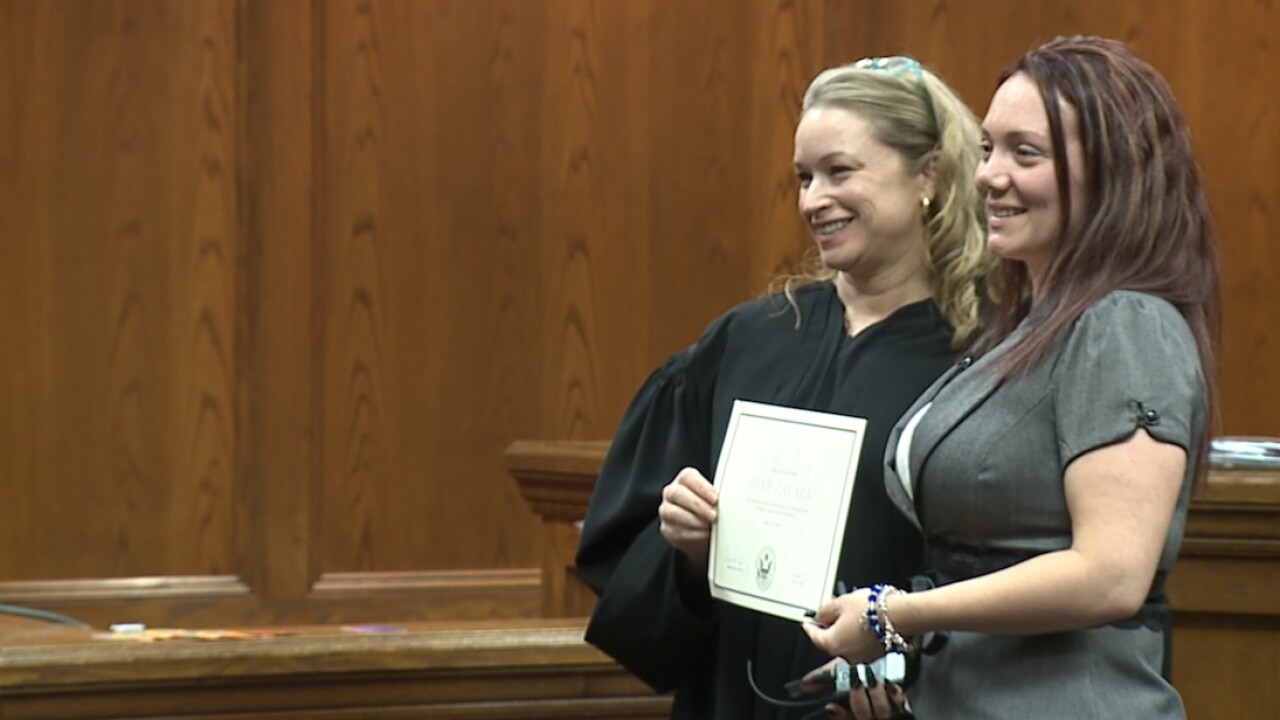
You might not anticipate a courtroom to be encouraging. However, it frequently happens in Kansas City’s Veterans Court. It’s not by coincidence. That’s how it’s constructed. In the heart of that network of support? mentors. They are not attorneys. not judges. not counselors. Nevertheless, they are quite important. Let’s examine their true function and the reasons behind it.
In any case, what is Veterans Court?
The larger Kansas City Specialty Courts system includes Veterans Court. It focuses on veterans who are accused of crimes, which are frequently connected to more serious issues like PTSD, drug abuse, or precarious housing. The court considers causes rather than harsh punishment. What caused this to occur? What brought us to this point? Everything is altered by that transformation. Regular check-ins, treatment, and structure are provided to participants. It’s difficult but fair. Mentors intervene at some point along that process.
Mentors: Better than authority
The problem is that mentors have no legal authority. They have firsthand knowledge. The majority are themselves veterans. They have donned the uniform. They are aware of the silent burden that many participants bear. And that link? It fosters trust more quickly than any set of rules could. Imagine a mentor as a solid voice at your side, not above you. Someone who truly means it when they say, “I’ve been there.”
In reality, what do mentors do?
There isn’t just one major dramatic role. Little, consistent actions add up. A mentor could:
- Check in with a participant once a week.
- Attend judicial proceedings to provide assistance
- Assist in establishing goals (actual ones, not platitudes)
- Promote adherence to therapy
- Sometimes the primary task is to listen.
Easy, huh? But the secret ingredient is constancy. An open discussion has the power to change someone’s entire week.
The human aspect of responsibility
People are still held accountable by Veterans Court. That portion does not vanish. Mentors, however, soften the edges. Participants feel seen rather than judged. And conduct is altered as a result. When someone thinks they can stay on course, they are more likely to do so. What do you know? That goes beyond theory. Reduced relapse rates, improved program completion, and fewer repeat offenses are the results. It is not magical. It’s a link.
A typical day in the life
There isn’t a rigid script. However, a typical mentorship rhythm is like follows:
- Midweek, a brief text.
- a longer court call.
- From across the courtroom, there was a silent nod.
- Maybe a simple cup of coffee afterward.
It’s typical. That’s the idea. Because large speeches are not the key to restoring a life. It has to do with consistent habits.
Why this model appeals to soldiers
There is a strong military culture. After service, the ideals of structure, respect, and shared experience endure. Mentors don’t have to explain that language since they speak it. Additionally, there is something else. Opening up in healthcare settings is a challenge for many veterans. It may seem formal and aloof. However, a fellow veteran? That is not the same. It’s similar to speaking with someone from your former apartment. The guard lets his guard down.
The role of Beyond the Bench KC
This is the role of community. Beyond the Bench KC supports initiatives such as Veterans Court. Their goal is to increase awareness and fortify rehabilitation-related support networks. They recognize that justice doesn’t stop at punishment, something that many people fail to realize. It persists in healing, stability, and second opportunities. And mentors play a significant role in that narrative. Beyond the Bench KC ensures mentors receive the resources and awareness they require by supporting these initiatives.
Let’s face it, it’s not always easy.
Mentoring is not flawless. Participants occasionally refuse assistance. They relapse occasionally. Progress can seem excruciatingly sluggish at times. That is a step in the process. Not everything is fixed by mentors. They don’t possess all the solutions. To be honest, they shouldn’t. Even when things get ugly, it is their responsibility to remain present. particularly at the time.
Nobody discusses the rippling effect.
This is a minor but significant detail: mentoring benefits more than just the individual receiving it. Families are impacted. Children. partners. even neighborhoods. The effect spreads when one person becomes stable. less disputes. More organization. Better choices. The shift is subtle, yet it endures.
Why this is important right now
Like many other communities, Kansas City is still reevaluating justice. Smarter, not softer. This change is reflected in Veterans Court, which is supported by organizations like Beyond the Bench KC. It states that support and accountability may coexist. Mentors, too? They serve as evidence.
Concluding remarks
Mentoring boils down to one concept when everything else is eliminated. Nobody rebuilds by themselves. Not in court. Not in this life. And often just having someone walk beside you might be the most beneficial assistance.
FAQs Regarding Kansas City Veterans Court Mentors
1.What are the requirements to serve as a mentor in Veterans Court?
The majority of mentors are veterans of the armed forces. It matters that they have a similar background. Prior to working with individuals, they also undergo screening and training.
2.Do mentors take the position of attorneys or mental health specialists?
No, mentors complement those duties rather than take their place. They offer a personal touch by collaborating with treatment providers and legal teams.
3.How frequently do mentors and participants get together?
It varies, but consistent communication is essential. In addition to attending court proceedings and remaining available in between appointments, many mentors check in once a week.
4.Has mentoring been shown to lower recidivism rates?
Yes, a lot of the time. Strong mentorship programs frequently have reduced recidivism rates. People are able to keep on course because of the constant assistance.
5.Is it possible for someone to serve as a mentor in Kansas City?
Indeed. Local programs affiliated with Kansas City Specialty Courts allow members of the community, particularly veterans, to apply. Before beginning, training is necessary.
