
Most people assume a higher price tag automatically means a better meal. Wrong. The relationship between cost, technique and actual satisfaction in luxury dining is messier than that — and far more interesting. Research published through the World Restaurant Association’s luxury segment reports confirms that fine dining satisfaction scores diverge sharply depending on format, not price point. Urban flagship restaurants running 15–20 course tasting menus at A$150–A$300 per person score high on innovation metrics. Suburban farm-to-table concepts priced at A$80–A$150 per person consistently outperform on emotional connection and return visit rates. Two very different wins. Neither is obviously superior — which is exactly the problem when you’re trying to decide where to book.
What Actually Separates These Two Dining Formats
The core split isn’t about quality. It’s about intent. Urban flagship venues — the kind chasing that 3–4 Michelin star threshold — operate more like culinary theatres than restaurants. Everything is choreographed. The lighting, the pacing, the moment a server explains why your fifth course contains a foam that technically isn’t a foam. Guests typically spend 2–3 hours at the table for a molecular gastronomy experience, moving through courses designed as intellectual provocations rather than straightforward nourishment. Evenings out can follow the same plan-first logic, from a tasting menu to a few rounds at Lucky Hills within a budget set in advance.
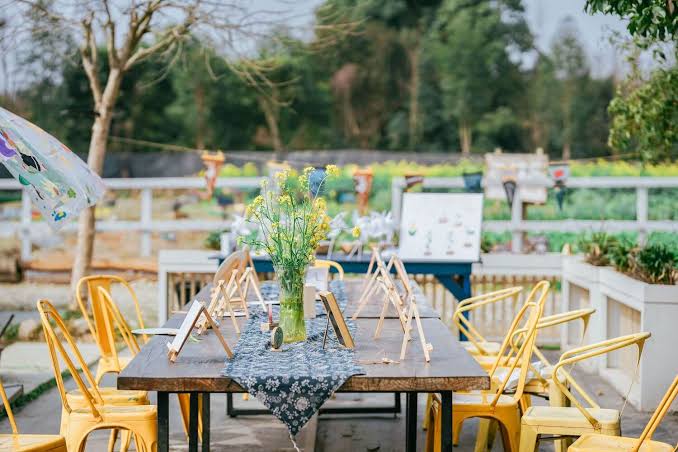
Suburban locations do something different. They slow down. A 6–8 course menu across 1.5–2 hours feels almost leisurely by comparison, and that’s the point. “I went to one of those avant-garde places downtown and left feeling like I’d attended a lecture,” said one regular diner who now exclusively books suburban tasting experiences. “The farm-to-table spot near us actually makes me feel like I’ve eaten.”
That’s not a knock on molecular technique. It’s a genuine preference split that the industry keeps underestimating.
The Sommelier Question Nobody Asks Directly
Here’s where it gets genuinely complicated. Sommelier-curated pairings at urban flagships are extraordinary — designed with the precision of a chemical formula, calibrated to each micro-course. But guests who opt into self-selected wine choices at suburban locations report higher perceived autonomy and, interestingly, higher satisfaction with the overall experience according to hospitality research from Cornell’s School of Hotel Administration. You’d think the expert recommendation always wins. It doesn’t. Autonomy is its own flavour.
Places like [BRAND] have started wrestling with this exact tension — how much curation is too much before it stops feeling hospitable and starts feeling like being managed.
Urban Flagships Doing Things That Are Borderline Unnecessary
Technology integration in urban fine dining has reached a point where you genuinely pause and ask: is this for me or for the Instagram story? Kitchen transparency walls, tablet-based reservation systems with dietary pre-profiling, live chef commentary streamed to tableside screens — these features exist, they’re impressive and they add roughly zero to the actual flavour of food on the plate. Actually, scratch that. For a specific type of diner — international culinary tourists specifically seeking novelty — they add enormously to the perceived value. Context matters.
The formats break down clearly when you look at who’s walking through the door:
- Urban flagship guests — overwhelmingly first-time visitors, international travellers, occasion diners treating the meal as a bucket-list event rather than a habitual choice
- Suburban farm-to-table regulars — local community members who return quarterly or monthly, know the chef by name and specifically ask which farm the lamb came from this week
- The overlap group — food media professionals and culinary students who visit both formats deliberately and treat the comparison as research (honestly the most insufferable dining companions)
Value Is Not What You Think It Means Here
Running the numbers honestly: a A$250-per-person urban tasting menu with sommelier pairings can run A$400+ once tax, service and the inevitable extra course land on the bill. A suburban farm-to-table evening at A$120 per person, with a self-selected bottle, exits around A$180–A$200. The gap is real. But the value calculation depends entirely on what you’re measuring.
This table shows how the two formats actually stack up across the metrics that matter to different diner types:
| Factor | Urban Flagship (molecular/innovation) | Suburban Farm to Table |
| Price per person (food only) | A$150–A$300 — and that’s before wine | A$80–A$150, usually inclusive of more generous portions |
| Course count | 15–20 courses, many under three bites each | 6–8 courses, actually filling |
| Dining duration | 2–3 hours of structured experience | 1.5–2 hours, feels comfortable not rushed |
| Ingredient sourcing radius | Global — ingredients flown in for technique purposes | 90% local sourcing radius, seasonal by default |
| Return visit likelihood | Low — it’s a singular event, not a habit | High — locals come back repeatedly |
| Michelin ambition | Active pursuit, staff structured around it | Local reputation building over star-chasing |
“I’ve been to three Michelin-starred restaurants in the last two years,” noted one food writer who asked to remain anonymous. “I remember the theatrical ones as experiences. I remember the farm-to-table ones as meals. That distinction probably says everything.”
What Loyalty Actually Looks Like in Fine Dining
Loyalty programmes and return-visit data from hospitality analytics firm TDM Research suggest suburban fine dining formats generate 3x higher repeat visit frequency compared to urban flagships. That’s not surprising when you think about it. You don’t go back to a fireworks show the following Tuesday. You do go back to a restaurant where the chef adjusted your menu halfway through service because you mentioned offhand you’d had a long week.
Chef-driven experiential dining — the domain of urban flagships — builds reputation loudly. It generates press coverage, awards cycles and culinary tourism traffic. But the intimacy model? That builds something stickier. “I’ve recommended that place to everyone I know,” said a suburban regular describing her favourite farm-to-table spot. “I’ve never once recommended the tasting menu place downtown, even though that dinner was technically more impressive.”
Technically more impressive. That phrase is doing a lot of work.
The honest advice is this — decide whether you want to be dazzled or fed. Both are legitimate. They’re just not the same thing, and pretending otherwise will leave you either underwhelmed by a six-course vegetable study or exhausted by your seventeenth amuse-bouche involving liquid nitrogen.
The clearest breakdown of what each format actually prioritises comes down to these specific commitments:
- Urban flagship venues — innovation cycles tied to awards season, international press visibility, chef reputation over institutional consistency
- Suburban locations — ingredient narrative as the menu itself, seasonal constraints treated as creative parameters not limitations
- Both formats — serious wine programmes, professional service training, genuine commitment to the dining-as-craft ethos that defines the luxury segment in the first place
Format Question Is Actually a Values Question
Molecular gastronomy isn’t better than farm-to-table. Farm-to-table isn’t more authentic than innovation cuisine. These are frameworks for different relationships between a kitchen and its guests. The 2026 luxury dining market — growing steadily according to Deloitte’s Global Hospitality Outlook — is large enough to sustain both without one cannibalising the other. Urban flagships attract guests willing to pay A$300 per person for a singular culinary event. Suburban farm-to-table locations build the kind of loyalty that doesn’t need a press release to survive.’
