
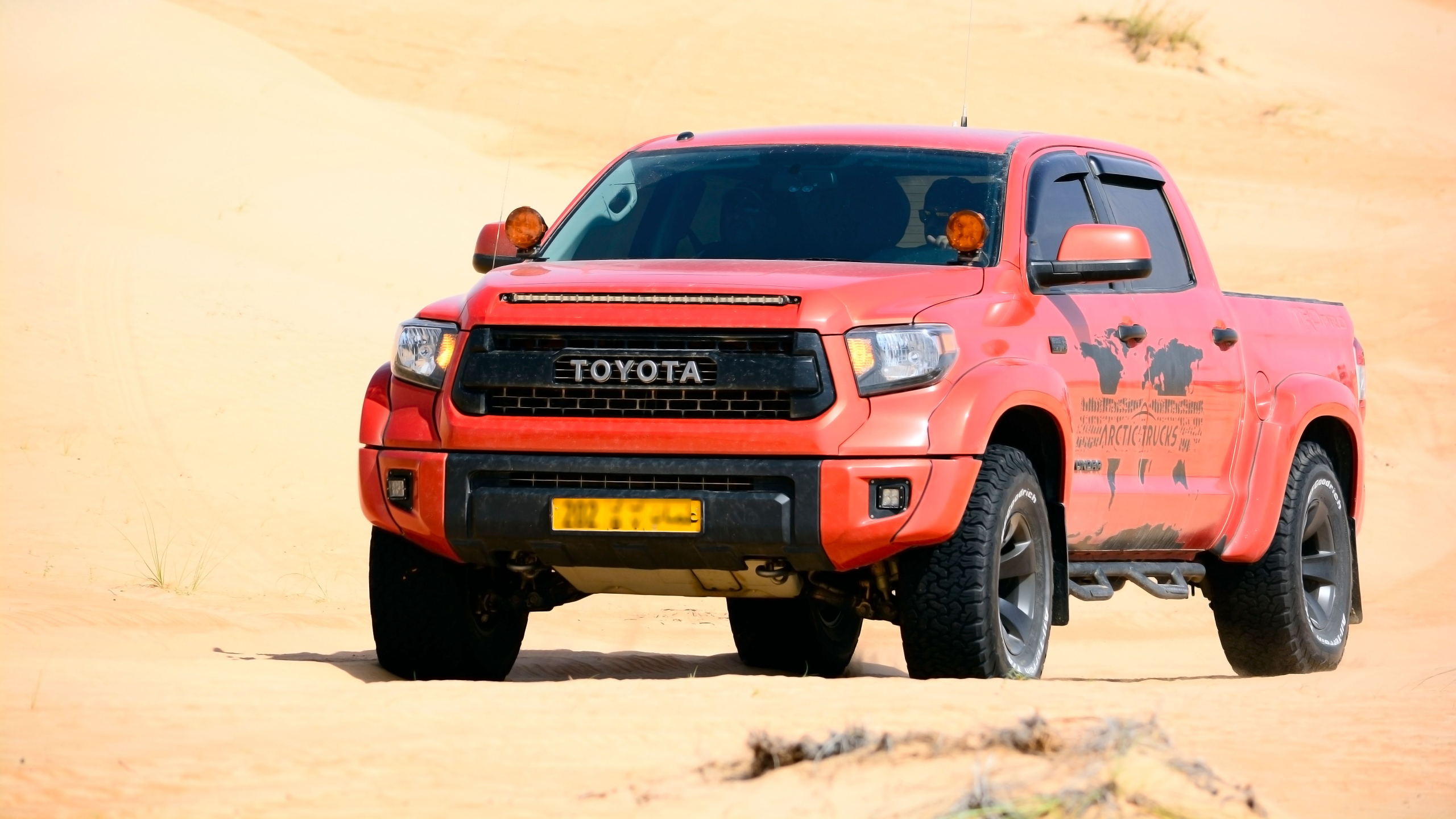
Pickup truck owners often look for ways to increase cargo-carrying capability without sacrificing valuable bed space. Whether you’re hauling tools to a job site, transporting outdoor gear for a weekend adventure, or preparing for an extended road trip, the right bed rack can make a significant difference in how efficiently your truck handles cargo.
A Tacoma bed rack can provide added versatility and organization, helping drivers transport bulky equipment while keeping the truck bed functional for everyday use. Choosing the right rack requires understanding your needs, vehicle setup, and the types of loads you plan to carry regularly.
Consider Your Primary Purpose
Before selecting a bed rack, it’s important to determine how you plan to use it. Work-focused drivers may need a rack capable of supporting ladders, construction materials, or professional equipment. Recreational users, on the other hand, may require space for kayaks, bicycles, rooftop tents, or camping gear.
Understanding your primary use helps narrow down the available options and ensures the rack can safely handle the equipment you transport most often.
A clear purpose also helps prevent overspending on features that may never be used.
Evaluate Weight Capacity Requirements
Not all bed racks are built to support the same amount of weight. Some lightweight systems are designed for occasional recreational use, while heavy-duty models are engineered for demanding work applications.
When comparing options, consider both dynamic and static weight ratings. Dynamic ratings refer to weight capacity while the vehicle is moving, while static ratings indicate how much weight the rack can support when parked.
If you plan to mount rooftop tents, storage boxes, or heavy work equipment, choosing a rack with sufficient load capacity is essential for safety and performance.
Choose the Right Rack Height
Bed racks are available in several height configurations, each offering unique advantages. Low-profile racks provide a sleek appearance and maintain easy access to cargo. Mid-height racks offer a balance between functionality and aerodynamics.
Full-height racks allow larger items to extend above the cab, making them ideal for carrying long equipment such as ladders, lumber, kayaks, and paddleboards.
Selecting the right height depends on your cargo needs, parking limitations, and overall vehicle setup.
Look for Accessory Compatibility
One of the biggest benefits of modern bed racks is their ability to support a wide range of accessories. Many systems allow users to add bike mounts, recovery gear, fuel containers, cargo boxes, traction boards, lighting systems, and rooftop tents.
Accessory compatibility can greatly increase the usefulness of the rack over time. As your work requirements or recreational interests change, a versatile rack system can adapt without needing a complete replacement.
Investing in a modular design often provides greater long-term value and flexibility.
Consider Durability and Material Quality
Bed racks are commonly constructed from steel or aluminum. Steel offers exceptional strength and durability, making it a popular choice for demanding work environments. However, it typically adds more weight to the vehicle.
Aluminum racks are lighter and naturally resistant to corrosion, making them ideal for daily driving and outdoor recreation. High-quality finishes and protective coatings can further improve durability regardless of material choice.
Choosing a well-built rack ensures reliable performance in various weather conditions and driving environments.
Conclusion
The best bed rack is one that matches your specific work and recreational needs. By considering factors such as intended use, weight capacity, rack height, accessory compatibility, and material quality, you can select a system that enhances both functionality and convenience. A properly chosen bed rack expands cargo-carrying capabilities, improves organization, and helps your truck handle everything from demanding job sites to unforgettable outdoor adventures.
