
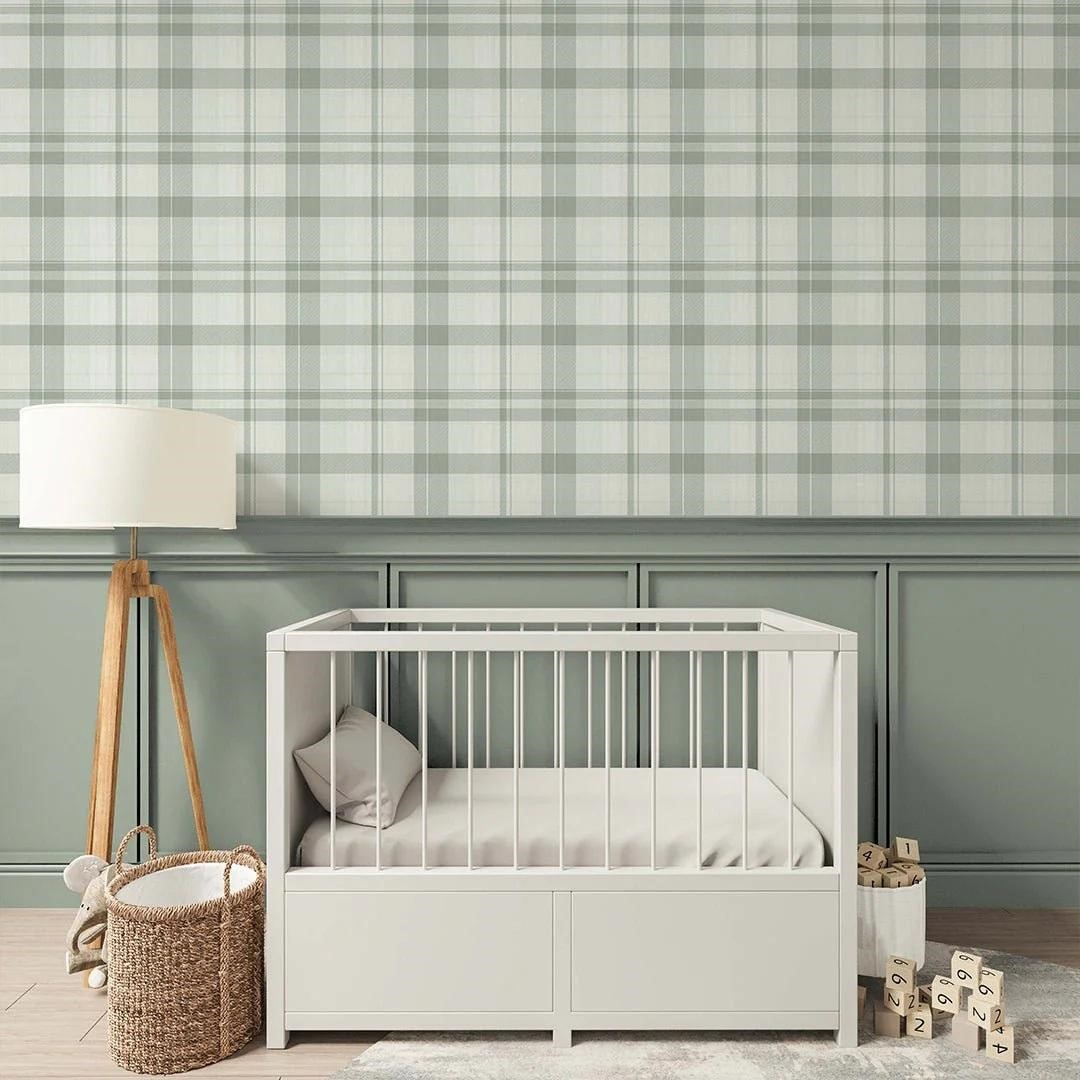
When it comes to kids’ rooms, the default has always been predictable — blue walls, maybe a sports print, perhaps some stars. But wallpaper for boys has evolved far beyond those tired conventions. Today’s options are genuinely exciting: detailed maps, architectural city prints, dinosaur jungles, space exploration, vintage racing, abstract geometrics. The real question isn’t whether to use wallpaper — it’s how to choose something that grows with the child rather than dating itself in two years.
Think Beyond the Obvious Theme
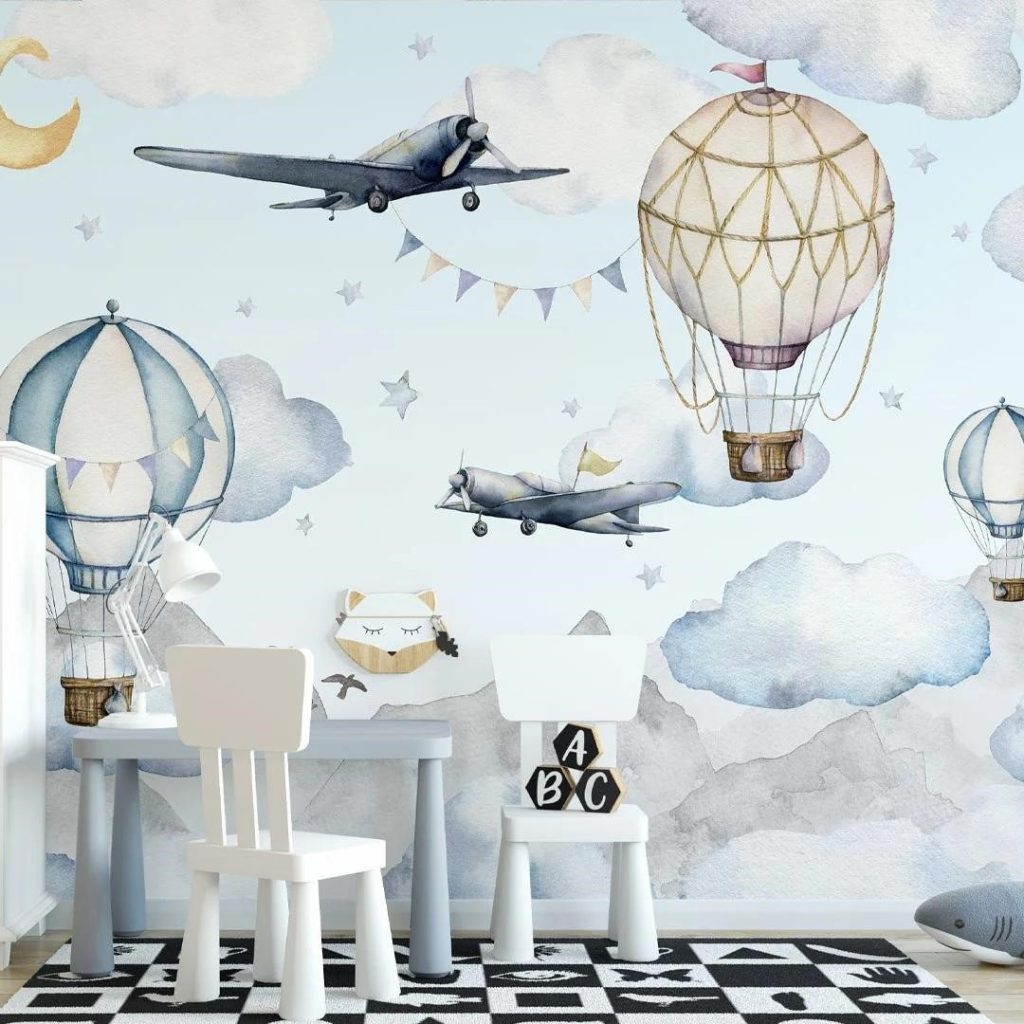
The instinct with a boy’s bedroom is to anchor the design around a specific interest — dinosaurs, superheroes, football. And that can work well, particularly for younger children who feel a strong sense of ownership over a room that reflects their world. But theme-led wallpaper has a short shelf life. A five-year-old who loves dinosaurs may feel very differently about them at nine.
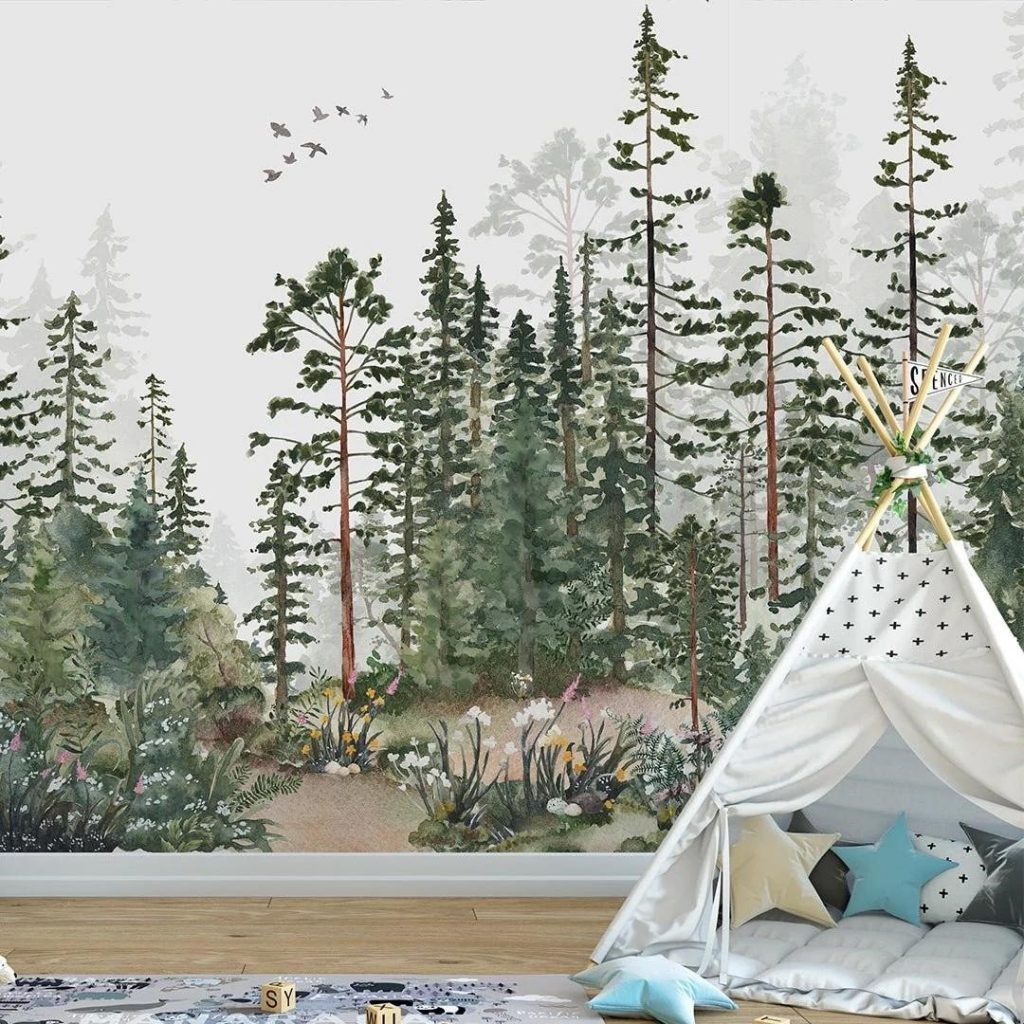
A smarter approach is to look for wallpaper that captures the spirit of an interest rather than its literal imagery. A child who loves nature doesn’t need cartoon animals — a rich botanical print or a detailed forest scene gives the same energy with considerably more longevity. A kid obsessed with vehicles might be better served by a vintage map or a technical blueprint-style print than a cartoon car repeat.
Patterns That Actually Last
Some wallpaper styles age well in children’s rooms regardless of the specific child’s interests:
Topographic and map prints have genuine staying power. World maps, city grids, and topographic contour patterns start as something visually interesting to a young child and become genuinely meaningful as they get older and start understanding geography, travel, and the world beyond their bedroom. A large-scale world map wallpaper is the rare children’s room choice that looks equally appropriate at age six and age fourteen.
Geometric patterns in bold colors are another long-lasting option. Strong triangles, hexagons, or irregular abstract shapes in navy, forest green, or charcoal don’t read as childish — they read as designed. They also provide a strong graphic backdrop that holds up against the inevitable accumulation of posters, shelves, and personal objects that comes with a growing child’s room.
Animal and nature prints occupy a middle ground. Illustrated woodland scenes, jungle canopy prints, or detailed insect and bird studies (think natural history museum rather than cartoon) can work beautifully through several years of childhood without feeling infantile.
Accent Wall vs. Full Coverage
For children’s rooms specifically, the accent wall approach has real practical advantages. Kids’ rooms change frequently — new furniture, new interests, new color preferences. Wallpapering one wall rather than four reduces cost, installation time, and the effort required when it’s time to update.
The most effective accent wall in a boy’s bedroom is usually the wall behind the bed. It frames the sleeping area, creates a focal point, and gives the room a clear visual structure without dominating the entire space. A bold geometric or a detailed map print on that single wall, paired with simple painted walls in a coordinating color, is often more effective than wallpaper on all four sides.
Peel and Stick Is Particularly Valuable Here
Children’s rooms are arguably the strongest use case for peel and stick wallpaper. Tastes change fast, rental situations are common among young families, and walls in kids’ rooms take more abuse than walls anywhere else in the house. Peel and stick format means you can update the room as the child grows without replastering walls or paying for professional removal.
Quality peel and stick wallpaper — the kind with a matte finish and proper adhesive — holds up well even in rooms that see a lot of activity. The key is thorough wall prep before application: clean, smooth, and completely dry. CostaCover‘s range for boys’ rooms covers the full spectrum from bold geometric and nature-inspired prints to more adventurous designs, all in removable format. It’s a practical starting point if you’re trying to find something that balances the child’s current interests with longer-term design sense.
A Note on Color
Blue remains popular for good reason — it’s calm, versatile, and genuinely liked by a wide age range. But the more interesting moves right now are happening in deep forest green, warm terracotta, and rich navy combined with natural tones. These colors work with wooden furniture and neutral textiles in a way that creates a room that feels considered rather than simply themed.
Whatever color direction you choose, involve the child in the decision where age-appropriate. A bedroom they helped design is a bedroom they’ll take more care of — and be more likely to actually sleep in.
