
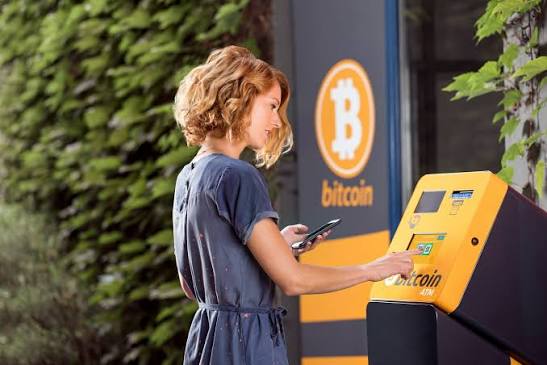
You walk up to the machine, stare at the screen, and suddenly wonder whether you have made a terrible mistake. It looks like an ATM. It has a screen. It has buttons. But instead of simply handing you cash, this machine can connect the physical world of money with cryptocurrency. So, what exactly are you supposed to do with it?
A Bitcoin ATM can provide a familiar way to buy cryptocurrency and, depending on the machine, sell it too. For beginners, that familiarity can make digital assets feel a little less mysterious. Still, knowing how the machine works before you start pressing buttons is a very good idea.
First, Know What You’re Standing In Front Of
A Bitcoin ATM is a physical kiosk that supports certain cryptocurrency transactions. Depending on the operator and machine, you may be able to purchase Bitcoin or other supported cryptocurrencies using cash or another accepted payment method. Some machines also support selling cryptocurrency and receiving cash.
That distinction is important because not every machine offers the same services. A machine that sells crypto does not automatically buy it back. Check first. Save yourself the trip.
Buying Crypto Is The Easy Part
Once you find a machine that supports purchases, the basic process is fairly intuitive. You select the cryptocurrency you want, enter the amount, and review the transaction details. Depending on the transaction and applicable requirements, you may also need to complete identity verification before proceeding.
Then comes the screen you should not rush past. The machine should show the transaction information, including the amount of cryptocurrency you expect to receive and any applicable fees. Take a moment to read it carefully before confirming the purchase.
Why hurry? You can always press the button after you understand what you are agreeing to.
But Can You Sell Your Crypto?
Sometimes. And this is where beginners can get caught out. Some cryptocurrency ATMs support purchases only, while others also allow users to sell crypto or collect cash from a completed sale. If you specifically want to convert cryptocurrency into physical cash, make sure the machine supports that function before starting.
In some cases, the sale begins through an app or account rather than directly at the ATM. The machine may simply serve as the final point where you collect your cash. A little counterintuitive, perhaps. But once you understand the setup, it makes sense.
Now For The Part Everyone Loves: Fees
Well, nobody actually loves fees. A Bitcoin ATM transaction may involve fees or an exchange rate that differs from the cryptocurrency’s market price elsewhere. That means the amount you pay for crypto, or the amount you receive when selling it, may differ from the headline market value you have seen online.
So read the transaction summary. Look at the exchange rate. Check the fees. Look at the final amount. Then decide. Five seconds of attention here can be considerably cheaper than discovering an unexpected cost afterward.
Your Wallet Deserves Extra Care
The machine itself is only part of the transaction. Your wallet information matters too. When sending cryptocurrency, details such as wallet addresses and QR codes need to be handled carefully. Entering or scanning the wrong information can cause serious problems.
This is one situation where being slow is a feature, not a flaw. Check the wallet address. Check the network. Check it again before confirming. The ATM may be waiting. Let it wait.
Before You Leave, Run Through This List
You do not need a degree in blockchain technology to use a crypto ATM sensibly. A few basic checks go a long way:
- Does this machine support buying, selling, or both?
- Which cryptocurrencies are available?
- What fees and exchange rates apply?
- Are there transaction limits?
- Is identity verification required?
- Have you verified the wallet address or QR code?
- Can you keep a receipt or transaction record?
If you can answer those questions, you are already ahead of many first-time users.
The Short Version
A Bitcoin ATM is a physical bridge between traditional money and cryptocurrency. It can make buying digital assets feel more familiar, especially for people who prefer a physical kiosk over navigating an online exchange.
But familiar does not mean foolproof. Know what the machine supports. Understand the transaction costs. Protect your wallet information. Most importantly, do not let the machine’s countdown, prompts, or impatient-looking screen rush you into a decision.
Once you know the basics, the experience becomes much less intimidating. It is still crypto, of course. Just with a screen, a few buttons, and considerably less mystery.
