
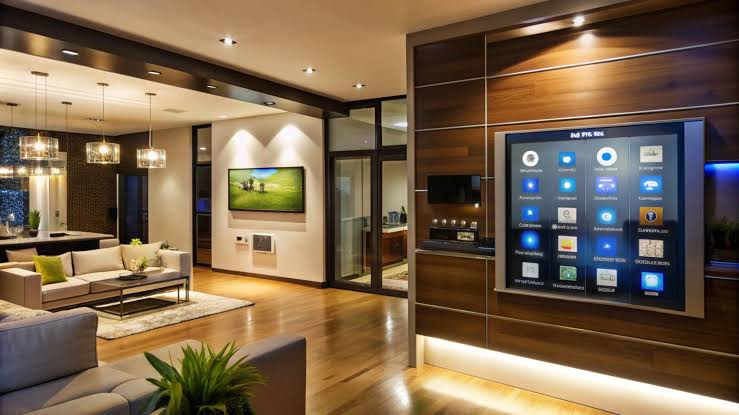
Changes to a home’s floors and windows rarely happen all at once. Wood finishes gradually wear down from foot traffic, furniture movement, and routine cleaning, while sunlight can alter the color of exposed boards. Window seals may deteriorate without any obvious damage to the glass. These problems vary in severity, and visible wear does not always indicate that a material has reached the end of its useful life. In the case of hardwood, expert care for aging wood floors may involve refinishing an intact surface or repairing damaged sections. Windows require a different assessment, particularly when problems involve insulation, moisture, or deteriorating frames.
Look Beyond the Surface Before Making Changes
Not every visible flaw indicates that something needs replacing. Hardwood floors naturally develop scratches and changes in color, while window frames may show minor cosmetic wear without affecting their performance. Understanding the difference between appearance and function helps prevent unnecessary spending. A faded floor might need refinishing, but a window that allows water into the wall could require more extensive attention. Examining each feature separately gives homeowners a clearer picture of which improvements will provide meaningful benefits.
Moisture deserves particular attention because it can affect several parts of a home simultaneously. Water entering around deteriorated window seals may damage nearby trim, walls, and flooring. Meanwhile, excessive indoor humidity can cause wooden boards to expand, cup, or develop gaps as conditions change. Before repairing visible damage, it is important to identify and correct its source. Otherwise, newly finished surfaces may begin showing the same problems within months, leaving homeowners with additional expenses and frustration.
Give Existing Hardwood a Second Chance
Original hardwood flooring often has qualities that are difficult to reproduce with newer materials. Natural grain patterns, subtle color variations, and the character developed over time can contribute significantly to a home’s appearance. When the boards remain structurally sound, sanding and refinishing may remove surface scratches, worn finishes, and some discoloration without requiring complete replacement. However, the amount of wood available for sanding matters, particularly when floors have already been refinished several times. Deep water damage, severe movement, or widespread deterioration may require individual board repairs or a more substantial intervention.
The condition of nearby windows also influences how restored flooring performs over time. Strong sunlight can gradually alter the color of exposed wood, creating noticeable differences beneath rugs and furniture. Poorly sealed openings may introduce moisture or create uncomfortable temperature fluctuations. When older units develop persistent drafts, damaged frames, or failed insulated glass, installing replacement windows locally can address these problems while allowing homeowners to choose glazing and frame materials suited to their climate and maintenance expectations.
Make Natural Light Work for the Interior
Good daylight can transform the appearance of a room without changing its layout. Sunlight highlights wood grain, makes smaller spaces feel more open, and reduces the need for artificial lighting during the day. However, more sunlight does not automatically mean greater comfort. Large windows facing intense afternoon sun may contribute to overheating, glare, and uneven fading across wooden floors. Choosing suitable glazing and adding adjustable shades can help balance natural brightness with the protection of interior materials.
Window performance also involves more than the glass itself. Frames, weatherstripping, installation quality, and the surrounding wall assembly all influence air leakage and water resistance. In areas exposed to strong storms, appropriately rated impact-resistant products may provide additional protection when installed according to applicable requirements. Elsewhere, insulation and seasonal temperature changes may be the primary concerns. The goal is to select improvements that respond to the home’s environment rather than choosing products solely for their appearance or advertised features.
Plan the Work in the Right Order
When several improvements are being considered, the sequence of work can make a substantial difference. Replacing windows after refinishing hardwood floors may expose the newly treated surface to construction debris, dropped tools, and unnecessary foot traffic. In many projects, completing window installation and any associated wall or trim repairs first makes more sense. Once the openings are secure and surrounding surfaces are dry, flooring work can proceed with fewer interruptions and less risk of accidental damage.
Preparation is equally important during floor restoration. Furniture generally needs to be removed, nearby areas protected, and the existing finish assessed before sanding begins. Modern dust-containment equipment can reduce airborne particles, although it does not eliminate every trace of dust. After applying stain or protective coatings, homeowners must respect the manufacturer’s drying and curing instructions before moving furniture back. Proper ventilation and stable indoor conditions also support the finishing process, making scheduling especially important when the home remains occupied throughout the project.
Think About Maintenance, Not Just Appearance
A successful renovation should make everyday living easier, not create a constant cycle of repairs. Hardwood floors benefit from regular cleaning, protective furniture pads, and prompt attention to spills. Maintaining suitable indoor humidity can also reduce seasonal movement in wooden boards. Windows require periodic inspection of seals, hardware, drainage paths, and surrounding caulking. Small maintenance tasks may seem insignificant, but they can help preserve the improvements that homeowners have invested in.
Long-term value also depends on recognizing when restoration is no longer practical. Repeatedly repairing a badly deteriorated window may cost more over time than replacing it, while removing structurally sound hardwood simply because its finish looks outdated wastes a potentially durable material. Comparing repair costs, expected service life, maintenance demands, and daily comfort provides a more useful framework than focusing on initial price alone.
The most satisfying home improvements are often those that respect what already works. Restoring worthwhile materials, replacing genuinely failing components, and coordinating the work carefully can improve comfort and appearance without turning a manageable project into a complete renovation. A home does not need everything to be new to feel refreshed. It needs its existing features to work well together.
