
Display technology has moved beyond the traditional distinction between televisions, digital signage, and professional monitors. As visual requirements become more demanding, applications increasingly call for higher pixel density, improved brightness control, flexible screen configurations, and consistent image reproduction. A Micro LED display addresses several of these requirements through individually controlled microscopic light-emitting diodes, creating opportunities across commercial and residential environments.
From broadcast production facilities to luxury hotels, its applications depend on factors such as viewing distance, installation scale, operating conditions, and content requirements. Ledman is among the manufacturers developing this technology, with solutions that demonstrate how fine-pitch displays can serve both professional and premium consumer environments.
Broadcast Studios and Professional Production Environments
Broadcast studios depend on accurate visual presentation, particularly when large displays appear behind presenters or form part of virtual production environments. Screen resolution, color consistency, refresh rate, and brightness control all influence how the display performs under studio lighting and professional camera equipment. Visible scan lines, flickering, or uneven color reproduction can become distracting during recording, making technical compatibility an important consideration.
Camera interaction requires particular attention during system configuration. Different camera shutter speeds and frame rates may produce flicker or scanning artifacts when recording LED screens. Display refresh rate, grayscale performance, and camera synchronization should be tested together before a studio installation enters regular operation. Calibration also helps maintain consistent color output across different display sections.
Beyond television broadcasting, production facilities use large visual surfaces for presentations, background graphics, and real-time content monitoring. A Micro LED display can support detailed imagery at relatively short viewing distances, making fine pixel pitch relevant in studios where cameras and presenters operate close to the screen. Its modular architecture also allows professional integrators to plan display dimensions around specific stage layouts.
High-End Retail and Luxury Hospitality
Retail environments increasingly use digital visual elements to communicate brand identity and create distinctive in-store experiences. Large displays can present product campaigns, seasonal visuals, promotional videos, and interactive content. However, the appropriate screen specification depends on the store’s architecture, customer viewing distance, ambient lighting, and the type of content being displayed.
Luxury retail spaces often place particular emphasis on material coordination and visual presentation. Display installations may be integrated into decorative walls, product demonstration areas, or architectural features rather than treated as independent electronic equipment. High pixel density can help maintain image clarity when customers approach the screen, while brightness and color calibration influence how promotional imagery appears under different lighting conditions.
Hotels and premium hospitality venues have similar requirements but often apply display technology across several different spaces. Lobby installations may communicate information and establish an architectural focal point, while conference rooms require clear presentation capabilities. Private lounges and entertainment areas may prioritize cinematic imagery and comfortable viewing conditions. A Micro LED display can accommodate these varied applications through different screen dimensions and configurations, provided the selected installation matches the room’s intended function.
Command Centres and Critical Visualization
Command centres operate in environments where visual information must remain accessible across extended working periods. Transportation authorities, energy facilities, emergency response departments, and industrial control rooms may use large display systems to monitor maps, operational dashboards, surveillance feeds, and real-time data. Screen continuity and image consistency are particularly important because operators frequently compare information across several visual sources.
Pixel density influences how much information can be displayed without making text and graphics difficult to interpret. Fine-pitch configurations are useful when operators sit relatively close to the screen or need to examine detailed maps and data visualizations. However, resolution alone does not determine suitability. Display dimensions, viewing angles, image processing, and control-room lighting should also be considered during system planning.
Operational reliability is another significant factor. Many command centres run displays for extended hours, placing continuous demands on power supplies, cooling systems, and electronic components. Maintenance accessibility, spare-module availability, signal redundancy, and monitoring capabilities should form part of the procurement assessment. A properly specified Micro LED display can support large-scale visualization, although the overall system still depends on reliable controllers, network infrastructure, and integration with existing information platforms.
Consumer Electronics and Emerging Residential Applications
Residential entertainment represents another area of interest for fine-pitch LED technology. Large home cinema installations can create expansive viewing surfaces without relying on conventional television panel dimensions. Screen size, seating distance, room lighting, acoustic arrangements, and content resolution all influence the final experience. The installation must also account for wall structure, ventilation, electrical requirements, and access for servicing.
Consumer applications extend beyond dedicated cinema rooms. Premium residences may incorporate large displays into living areas, private entertainment spaces, and integrated smart-home environments. These systems can support films, gaming, digital artwork, and shared entertainment. Their value depends not only on picture quality but also on how naturally the equipment fits into the surrounding interior and everyday household routines.
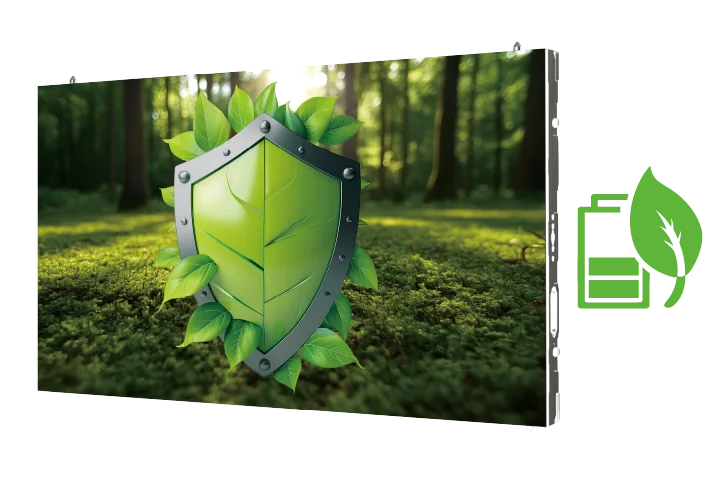
Ledman’s YS Series provides an example of fine-pitch residential and professional display development. The series offers 0.4mm and 0.9mm pixel-pitch options and features patented technology alongside energy-saving HD screen characteristics. These configurations illustrate the role of pixel density in applications requiring detailed images at relatively close viewing distances. Actual project specifications should also account for brightness, installation dimensions, processing compatibility, and maintenance arrangements.
Conclusion
The growing range of display applications reflects changing expectations around image quality, installation flexibility, and visual communication. Broadcast studios require camera-compatible performance, retail and hospitality venues prioritize presentation and architectural integration, while command centres place greater emphasis on continuous operation and information clarity.
Residential environments introduce another set of considerations involving entertainment preferences and interior design. Ledman contributes to this developing field through its fine-pitch YS Series, demonstrating how Micro LED display technology can address different viewing requirements. As manufacturing processes and application demands continue to evolve, its long-term adoption will depend on balancing visual performance, system integration, energy consumption, and practical ownership costs.
